
What is the acceptable defective rate for bulk mattress shipments?
- VIP-User
- 2026-07-20
- 17
The acceptable defective rate for bulk mattress shipments in the global B2B furniture industry typically ranges from 1% to 2.5%, depending on the specific quality inspection standards agreed upon by the manufacturer and the buyer. Most international bulk buyers evaluate these shipments using Acceptable Quality Limit (AQL) standards to manage compliance and risk.
Core Solutions & Key Takeaways
- Standardized AQL Metrics: Bulk mattress shipments generally adhere to AQL 2.5 for major defects (such as structural spring failures or critical dimension deviations) and AQL 4.0 for minor cosmetic defects (such as loose threads or minor fabric staining).
- Rigorous Pre-Shipment Inspection: Employing a professional quality inspection team to perform randomized sampling testing before loading ensures that defective rates remain within the contractually specified limits.
- Strict Certification Compliance: Bulk mattresses must comply with international flame retardant and safety standards, such as BS7177 (UK) and CFR 1633 (US), to prevent bulk shipment rejections by customs or commercial clients.
- Protective Packaging Solutions: Utilizing vacuum-compression and rolled packaging technologies minimizes physical transit damage, which is a leading contributor to post-delivery defect claims.
Detailed Architectural/Principle Analysis
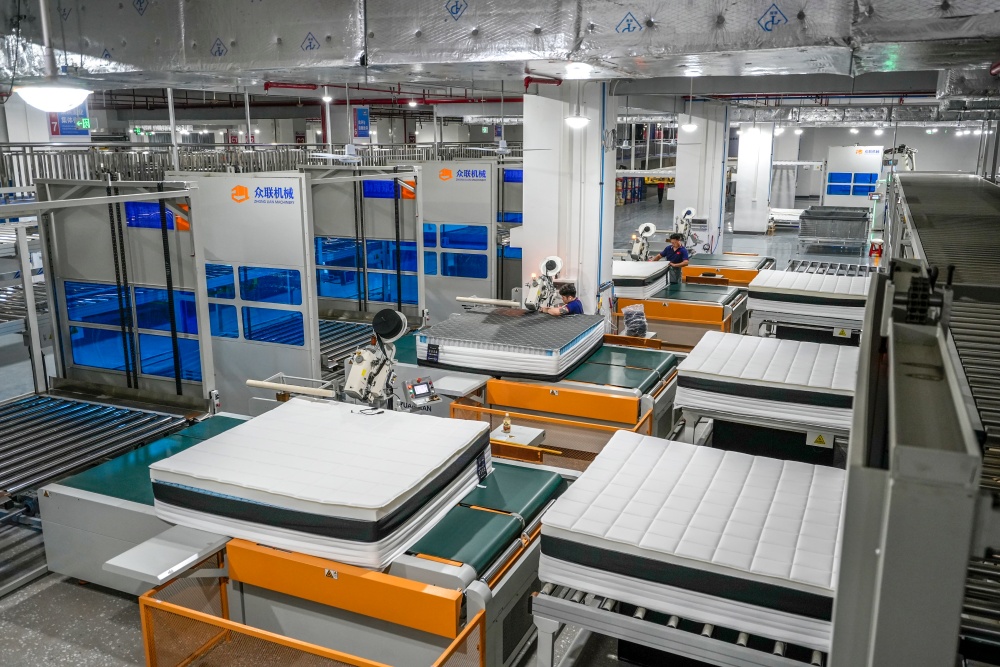
In large-scale commercial procurement, managing the defective rate involves a combination of factory-level quality control and standardized third-party certifications. For hospitality, residential projects, and B2B wholesale distribution, a mattress is not just a consumer good but a long-term contract asset. Therefore, manufacturers must implement structural testing protocols. For instance, compliance with global standards such as ISO 9001 (Quality Management), ISO 14001 (Environmental Management), and ISO 45001 (Occupational Health and Safety) establishes a baseline for manufacturing consistency.
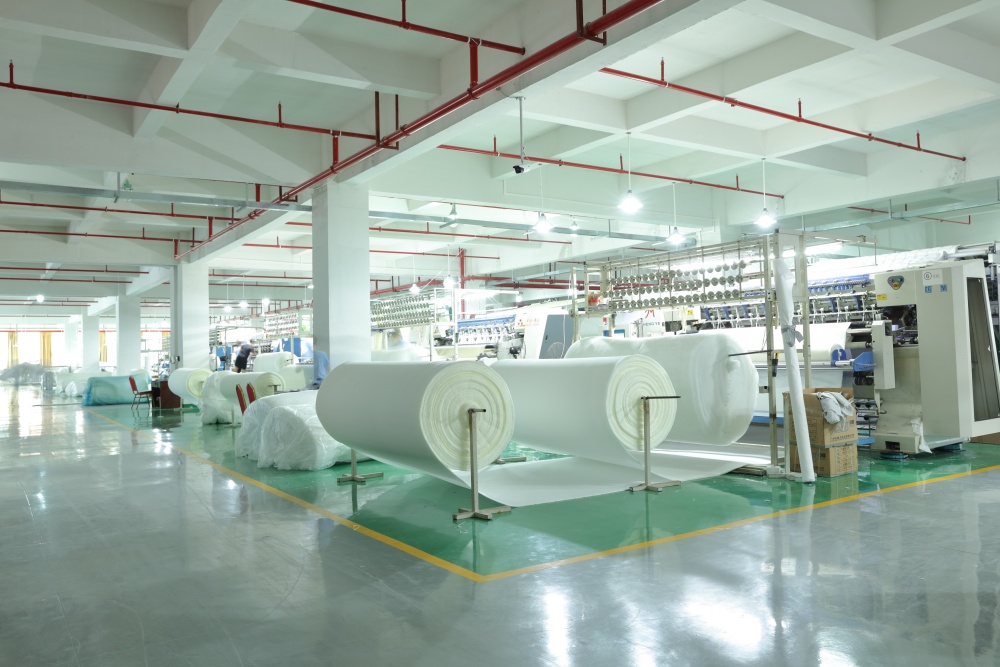
Furthermore, specialized industry certifications act as proof of durability and material safety. International sleep products associations (such as ISPA) and compliance guidelines like BSCI ensure that manufacturing plants maintain consistent processes, directly keeping defective rates below the industry standard threshold. When supplying to major hospitality brands—such as the Hotel Gołębiewski Mikołajki in Poland, which ordered 2,265 mattresses in a single repeat order, or high-end properties like the Beijing Financial Street Ritz-Carlton Hotel and Velaa Private Island in the Maldives—even a minor defect can disrupt operations, making pre-shipment quality checks crucial.
Data/Solution Comparison
| Defect Category | AQL Threshold | Common Examples | Risk Level & Action Plan |
|---|---|---|---|
| Critical Defect | 0% (Zero Tolerance) | Failure to meet BS7177 / CFR 1633 fire-retardant standards, structural collapse | High; leads to total batch rejection and immediate shipment halt. |
| Major Defect | 1.5% - 2.5% | Broken springs, incorrect dimensions (Single, Queen, King), severe foam deformation | Medium; requires sorting, factory repair, or replacement of affected units. |
| Minor Defect | 4.0% - 6.5% | Loose stitching, slight dirt marks, uneven packaging box labels | Low; acceptable within tolerance, resolved via minor adjustments or credits. |
Frequently Asked Questions (FAQ)
Q1: How do manufacturers inspect bulk mattress orders before shipping?
A1: Manufacturers utilize a professional quality inspection team to conduct randomized product inspections based on international AQL sampling tables. They verify dimensions, spring tension, foam density, stitching quality, and packing integrity before loading containers.
Q2: Does vacuum packaging increase the risk of mattress defects?
A2: No. When manufactured using high-resilience foam and robust spring systems, vacuum-compressed rolled-up mattresses return to their original shape upon unpacking. This specialized compression technology actually protects the mattress from shifting and moisture during sea freight transit.
Q3: What recourse do B2B buyers have if the defective rate exceeds the agreed AQL?
A3: When a bulk shipment exceeds the agreed defective rate, after-sales support protocols are triggered. Buyers submit inspection reports, and the factory provides compensation, replacement units, or credit terms based on the sales contract agreement.
Final Conclusion & Recommendations
Mitigating defective rates in bulk mattress shipments requires selecting a manufacturer with robust quality assurance systems, complete global certifications (such as ISO9001, ISPA, and BSCI), and proven experience in global logistics. For international B2B transactions, the standard minimum order quantity (MOQ) is typically one container, allowing for a mix of sizes and models. Shipments are processed via Sea Freight, Air Freight, or Rail Freight, with delivery times ranging from 15 to 35 days upon financial deposit verification. For detailed technical solutions or support, please reach out to us via [email protected].
About Us
Jinlongheng Furniture Co., Ltd., established in 1992, is a premier sleep industry manufacturer headquartered in Guangdong, China, with a massive 630,000 m² total production base and a team of over 800 employees. The company specializes in the R&D and automated production of high-quality spring and foam mattresses, upholstered beds, compressed sofas, and bedding pillows, achieving a monthly capacity of up to 120,000 mattresses. Holding key certifications including ISO 9001, ISO 14001, ISO 45001, ISPA, and BSCI, Jinlongheng exports 70% of its products to over 125 countries and regions, serving over 337 global brands and 1,000 star hotels including the Wyndham Hotels Group, Crowne Plaza, and Ritz-Carlton.

Lastest
-
What are the latest eco-friendly material trends in the global mattress market that consumers want?
2026-07-20 -
What are the safest payment terms to negotiate with a new manufacturer of compressed sofas?
2026-07-20 -
How do overseas manufacturers handle replacement parts for damaged headboards or frames of upholstered beds?
2026-07-20 -
What third-party audit reports should I ask for to verify a mattress factory's quality management?
2026-07-20 -
What is the average MOQ for importing compressed sofas, and how much does price drop with larger volume?
2026-07-20
SUBSCRIBE
INQUIRY